How to Maintain Your Rental Property
Key Takeaways
- Preventative maintenance saves money. Small fixes handled early prevent major, costly repairs down the road.
- Well-maintained homes keep tenants longer. Fast repairs and clean, safe conditions boost tenant satisfaction and reduce turnover.
- Regular inspections protect your investment. Checking your property a few times a year helps you spot issues before they become serious.
- Professional help makes maintenance easier. Partnering with experienced property managers like Campus Realtors ensures reliable service, less stress, and a better-performing rental.
Ever wonder why some rental properties look great year after year while others seem to fall apart? The secret isn't luck. It's good maintenance. Taking care of your rental property might feel like a never ending job, but it doesn't have to be overwhelming.
When you stay on top of maintenance, you keep tenants happy, protect your investment, and avoid those expensive surprise repairs that pop up at the worst times. Let the team at
Campus Realtors walk through everything you need to know about maintaining your rental property the right way.
Why Maintenance Should Be Your Priority
You might think maintenance is just about fixing broken things. But it's so much more than that. Good maintenance is what separates successful landlords from struggling ones.
Happy Tenants Stay Longer
When tenants see you care about the property, they care too. Quick repairs and a well kept building tell tenants they matter to you. Happy tenants renew leases. They stay for years instead of months. This means less turnover, which saves you money on advertising, cleaning, and showing the property to new renters.
Your Property Value Stays Strong
A rental property is probably one of your biggest investments. Regular maintenance protects that investment. Think about it like maintaining a car. Change the oil regularly and it runs for years. Ignore it and the engine dies. The same goes for your property. Small fixes now prevent big, expensive problems later. Well maintained properties also increase in value over time. Neglected properties lose value and become
harder to rent at good prices.
You Avoid Legal Problems
As a landlord, you have legal responsibilities. You must provide a safe, livable home. This means working plumbing, reliable heat, safe electrical systems, and a solid structure. If you don't maintain these basics, tenants can withhold rent, break their lease, or take you to court. Regular maintenance keeps you on the right side of the law.
What Landlords Are Responsible For
As the property owner, you handle the big stuff. This means anything structural, any major system, and anything that keeps the property safe and livable.
1. Walk Through Your Property Regularly
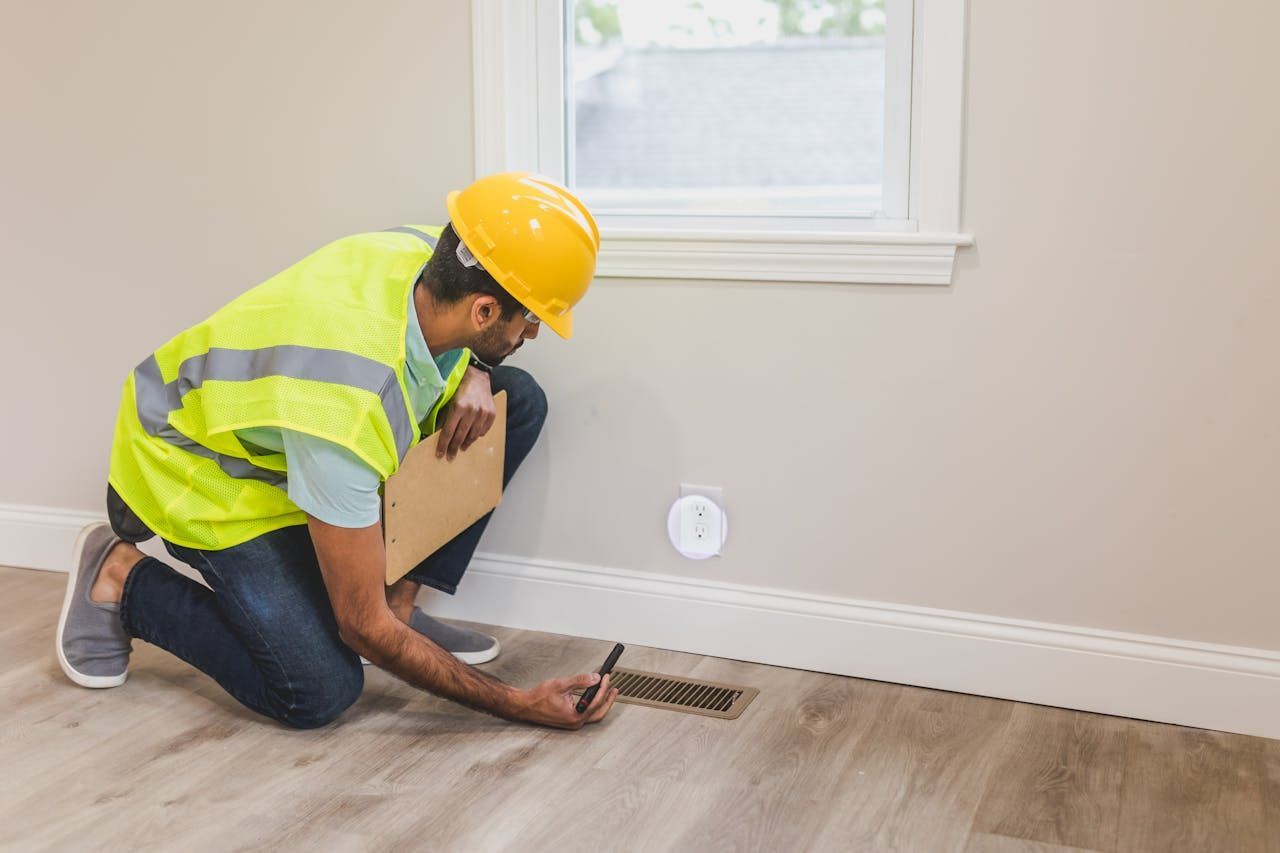
Don't just collect rent and hope for the best. Schedule property inspections at least twice a year. Walk through every room. Look in closets, check under sinks, examine the basement or attic. Look for water damage, pest signs, worn fixtures, and anything that needs attention.
Make a checklist so you don't forget anything. Take photos during inspections. This creates a record and helps you spot changes over time. Always give tenants proper notice before entering. Most places require 24 hours notice unless there's an emergency.
Regular inspections let you catch small problems before they become big ones. They also show tenants you're involved and care about maintaining a quality home.
2. Handle Repairs Quickly
When something breaks, fix it fast. Tenants rely on you to keep essential systems working. A broken heater in winter or no air conditioning in summer isn't just inconvenient. It can be dangerous and might even violate your legal obligations.
Set up an easy way for tenants to report problems. Some landlords use a dedicated phone number. Others prefer email or text. Whatever method you choose, make it simple and respond quickly. Even if you can't fix something immediately, let tenants know you received their request and when they can expect help.
Keep a list of reliable contractors. Have a good plumber, electrician, HVAC technician, and general handyman you can call. Building these relationships before emergencies happen saves time and stress when you need help fast.
3. Major Systems Need Regular Service
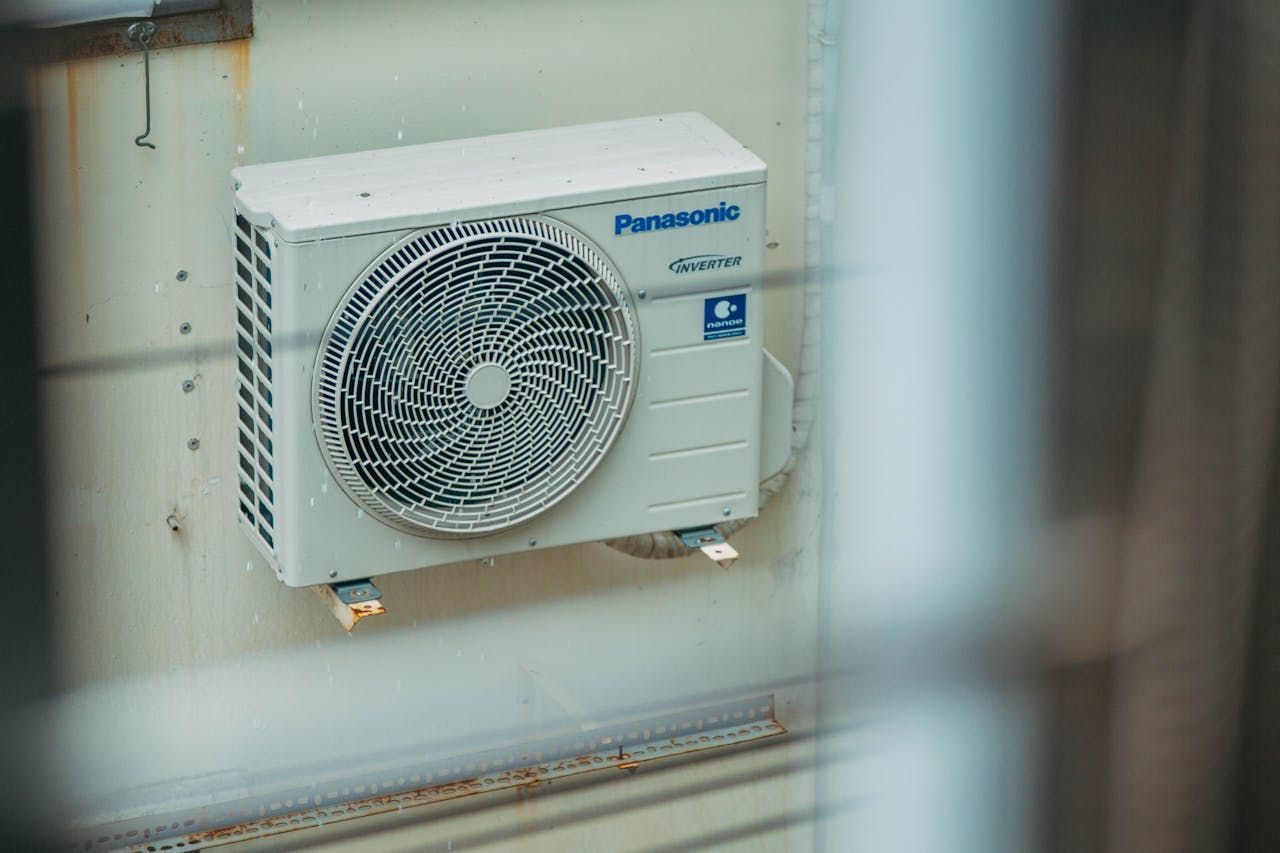
Don't wait for systems to break. Service them regularly. HVAC systems should be checked and serviced once a year. Plumbing systems need periodic inspections. Have water heaters flushed annually. Check electrical panels for any issues.
These preventative services cost money upfront but extend the life of expensive systems. A well maintained furnace lasts 15 to 20 years. A neglected one might fail after 10 years. That's thousands in replacement costs you can avoid.
4. Keep the Outside Looking Good
The exterior of your property matters just as much as the inside. Curb appeal attracts good tenants and makes current tenants feel proud of where they live. Mow the lawn regularly. Trim bushes and trees. Keep walkways clear and clean. Remove weeds from flower beds. Check the roof for missing or damaged shingles.
Clean gutters so water drains properly. Clogged gutters cause water to overflow and damage the foundation, siding, and landscaping. In winter, arrange for snow removal from walkways and driveways. In fall, keep leaves raked.

Paint or repair exterior surfaces when they start looking worn. Peeling paint doesn't just look bad. It exposes wood to moisture and rot.
5. Stop Pests Before They Start
Pest control is easier than pest removal. Seal cracks and gaps where bugs and rodents can enter. Keep outdoor trash areas clean. Make sure screens on windows and doors are intact. Fix moisture problems that attract pests.
If pests do appear, act fast. A few ants can become an infestation quickly. The same goes for mice, roaches, or any other pest. Sometimes you can handle minor pest issues yourself. For bigger problems, call a professional. Don't let it drag on or your tenants will be rightfully upset.
Bottom Line
Maintaining a rental property takes consistent effort, but it's effort that pays off. Regular maintenance keeps your property in great condition, your tenants happy, and your investment growing in value. Create a schedule, stay organized, and handle issues promptly. With the right approach, maintenance becomes manageable instead of overwhelming.
Of course, even with the best intentions, managing maintenance on your own can be time consuming and stressful. That's where
Campus Realtors make a real difference.
They handle all the maintenance details so you don't have to, from regular inspections to emergency repairs to working with reliable contractors. Their experience means your property gets the care it needs while you enjoy the income without the headaches. Sometimes the smartest maintenance decision is having experts take care of it all.