8 Tips for Getting Your Property Ready to Rent
Key Takeaways
- Vacant rental properties continue to generate expenses, making quick tenant turnover essential to minimizing lost income and carrying costs.
- Proactive planning, including early lease renewal discussions and pre-vacancy advertising, can significantly reduce downtime between tenants.
- A thorough rent-ready process — from inspections and upgrades to pest control, cleaning, and lock replacement — helps attract quality tenants faster and protects your investment.
When tenants move out of your property, it’s a big deal because of what they take with them. A departing tenant means lost rental income for the landlord.
The severity of the impact of a tenant leaving your property depends on how quickly you can replace that tenant. The longer it takes to find a new tenant, the bigger the impact, because a rental property, even when it is vacant, still has many ongoing costs.
The property steadily generates expenses in the form of carrying costs. These primarily consist of mortgage payments, property taxes, insurance premiums, and utilities. These costs don’t go away simply because your rental unit is unoccupied.
This is why how quickly you can have that vacant property ready for the next tenant is critically important. Landlords who have an efficient system for quickly turning their vacant property around are better at absorbing the shock of tenant departures.
Keep on reading this blog by
Campus Realtors to learn more about how to get your property ready for rent.
8 Practical Tips for Making Your Property Rent-Ready
1. Start Lease Renewal Talks Early
Initiating lease renewal discussions months, instead of days, before the end of a tenant’s lease has many advantages. If the tenant plans to move out, you will not be taken by surprise. To begin talks with your tenants, send them a letter reminding them of the approaching lease expiration and include the terms for a new lease.
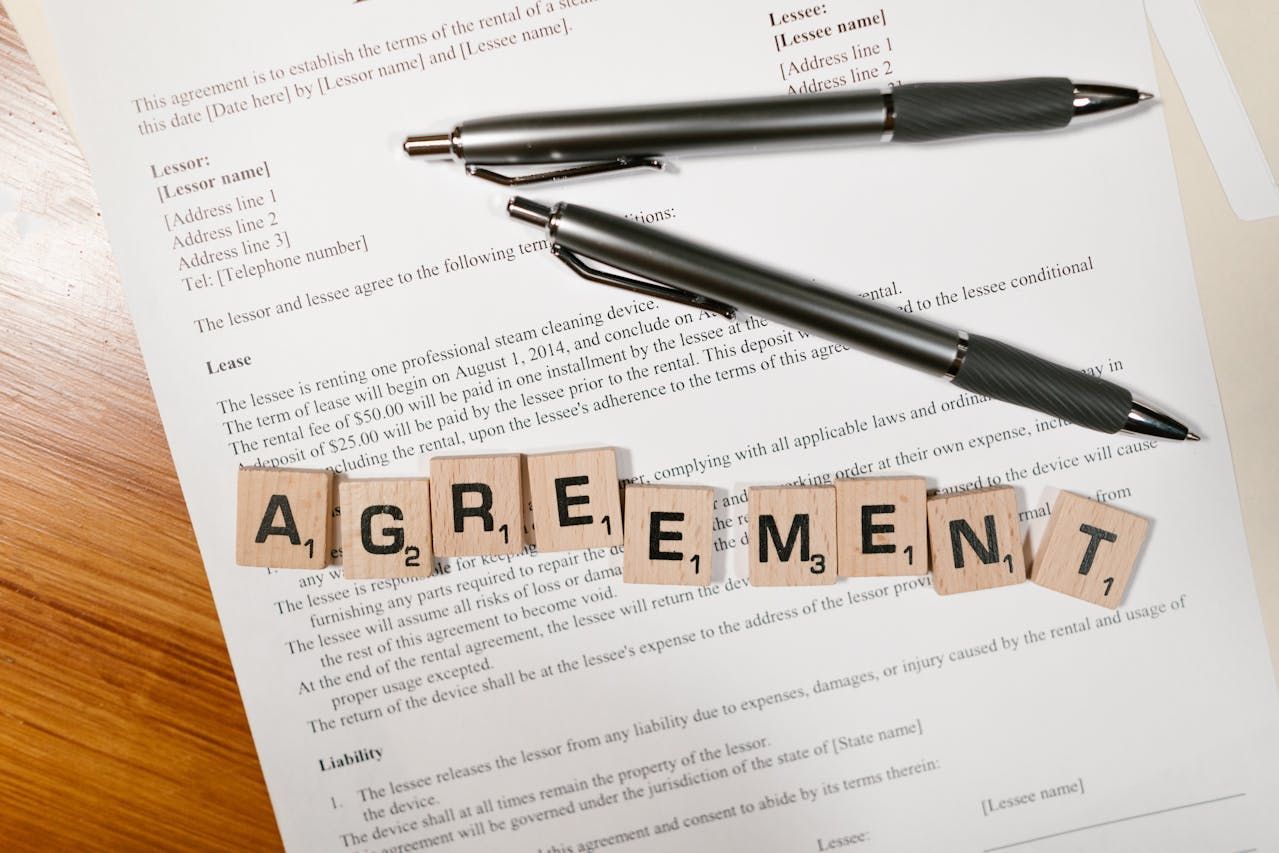
If they plan to move out, the tenant should inform you at least 30 days before their lease ends. If they plan to renew the lease, they can start the process of negotiating new lease terms. This strategy helps you avoid last-minute stress.
2. Advertise Your Property Before it Becomes Vacant
To minimize the vacancy period, start advertising your property 4-6 weeks before it becomes vacant. This will let you attract responsible renters planning their move well in advance, while avoiding urgent applications from renters who have problems with their landlord.
Before taking this step, however, find out what your local laws say about advertising and showing a rental property while it is occupied. Hopefully, your right to do this is preserved in your lease agreement. When planning to show the property to potential renters, make sure to give your tenant enough notice and plan to have no more than two showings per week.
3. Conduct a Walkthrough Using a Checklist
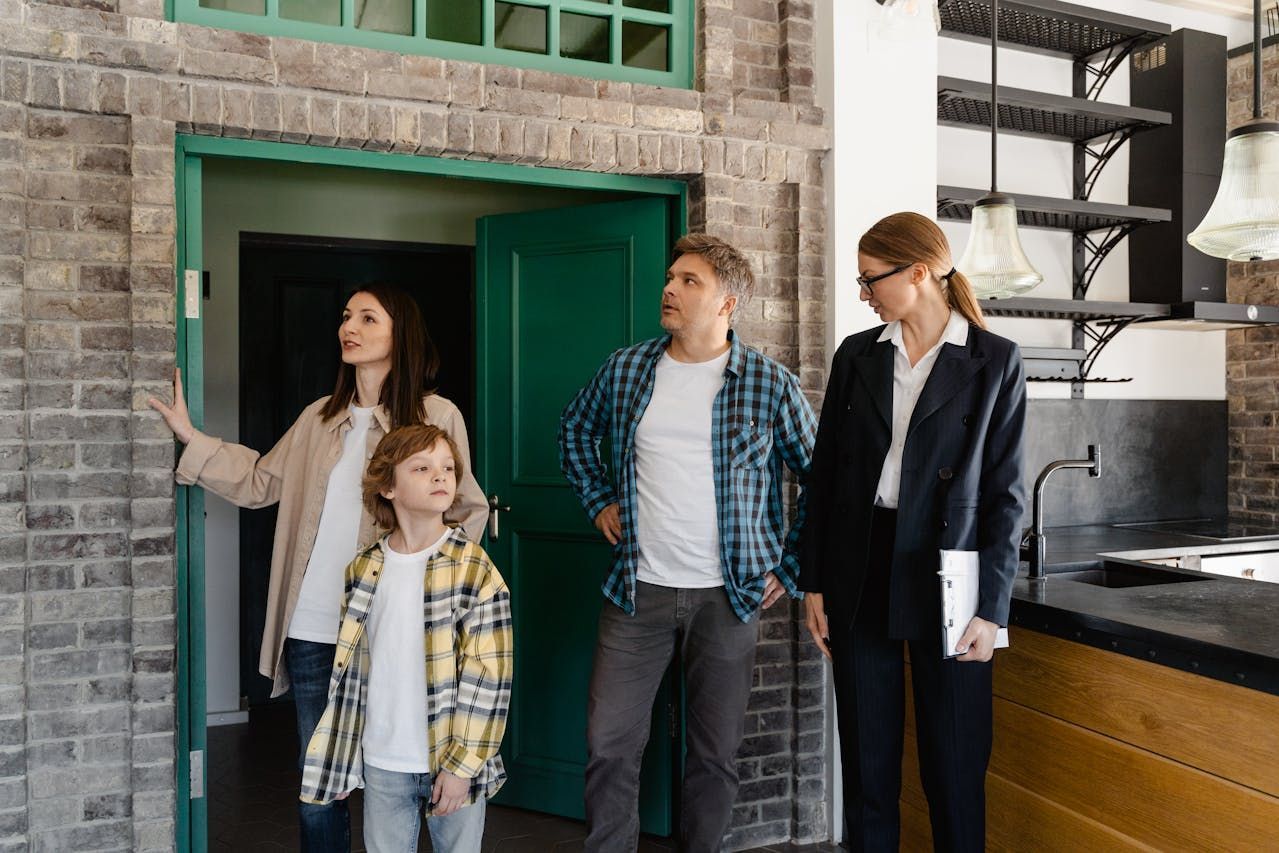
As soon as your tenant is ready to move out, do a detailed inspection of the property, along with him or her. The first reason to do this is to assess the tenant’s use of the property and determine what should happen to their security deposit.
The second reason is to assess the amount of work needed to make the property rent-ready. The inspection should be done with a detailed checklist using a methodical approach, preferably by a professional. The quality of the inspection determines whether you will overlook vital issues that can cost you by delaying the turnaround process.
4. Check Major Systems and Structures
Have the right professionals check the building’s main systems and structural components. These checks should cover the main mechanical features of the rental, such as the HVAC, plumbing, and electrical systems.
You also want to pay attention to key components like the building envelope, insulation, furnace, water management, and air quality. Safety and security features like smoke and
CO2 detectors, fire alarms, and fire extinguishers should not be neglected. The exterior features of your building also need attention. These checks let you estimate the cost and duration of the work more accurately.
5. Undertake Strategic Upgrades
The best time to do a major upgrade of your rental property is when it is vacant. You can work without worrying about the impact on tenants. You also get to charge the new tenant a higher rent than you could charge your existing tenant. Upgrades are important because they help to keep your property competitive.
Not all upgrades will improve the appeal and functionality of your property. When updating your rental, focus on practical upgrades, not cosmetic changes. The right approach is to find out the features renters in your area desire and are willing to pay a higher rent for.
6. Check for Signs of Pest Infestation and Mold
Pest infestation is a huge problem in rental properties. The law expects you to take necessary steps to rid your property of pests before leasing it. This is not limited to hiring a professional exterminator; you must seal all pest access points in the building, such as cracks and openings in walls, and around pipes.

You also want to ensure proper waste removal from the property and cleanliness around common areas. Take note that if your tenants discover pests in their home, they have the right to withhold the rent. Depending on the type and extent of the infestation, you may even face a lawsuit.
7. Hire a Professional Cleaner
Some landlords think it is alright to clean their rental property themselves. There are good reasons why you shouldn’t do this. Firstly, if you did any major upgrades to the property, you will need an expert to get rid of all the dust and debris.
Even if you did not upgrade your property,
hiring a professional cleaner is still the right option if your goal is to turn your rental property around in the shortest possible time. A professional cleaning service can deliver the highest level of cleanliness at very short notice.
8. Re-key and Replace the Locks
In some jurisdictions, it is mandatory to rekey or change the locks at the end of every tenancy. This is to ensure the security of the new tenant. If you fail to do this and the old tenant enters the property using the old key, you could find yourself in legal hot water.
Even if the probability of this happening is low, you still want to rekey or replace the lock because you never know if there are duplicates of the key floating around. Rekeying or replacing the lock secures your tenant and safeguards your property.
Bottom Line
With some dedication and patience, it is possible to master the art of turning your rental property around with maximum efficiency. If these steps feel like too much work, you also have the option of hiring a property manager to run the property on your behalf.
Campus Realtors has the systems in place to make your property rent-ready in record time.