
Landlord Compliance Checklist: A Step-by-Step Process From Screening to Notices
Key Takeaways
- Fair housing first: Apply lawful, consistent screening criteria to Baylor-area rental applicants.
- Clear student leases: Explain roommates, guarantors, deposits and notice terms before move-in.
- Careful documentation: Record property condition, repairs, payments and important communications.
- Lawful notices: Check Texas requirements before pursuing lease violations or ending a tenancy.
A rental near Baylor University follows the same housing laws as other residential properties, but shared leases and the academic leasing calendar create extra coordination. Screening, move-in records and roommate communication deserve particular attention.
At Campus Realtors, we work with owners of student-focused rentals surrounding the university. This landlord compliance checklist follows the process from applications through move-out, with steps owners can revisit each leasing cycle.

Step 1: Follow Fair Housing Requirements
Compliance begins with advertising and applicant communication. The Fair Housing Act prohibits discrimination based on protected characteristics, even when a property is marketed as student housing.
- Use the same written qualification criteria for every applicant.
- Describe property features rather than preferred personal characteristics.
- Review accommodation requests through a consistent process.
Keep applications and screening decisions documented. Proximity to Baylor can explain a property's location, but it should not become a reason to exclude otherwise eligible applicants.
For shared housing, each application deserves the same documented approach. Evaluate lease qualifications and reasonable accommodation requests consistently, rather than drawing conclusions from enrollment status, roommate arrangements or assumptions about a household.
Step 2: Establish a Tenant Screening Process
Evaluate income, rental history and authorized consumer reports against written standards. Our tenant screening guidance explains why a consistent process matters around the Baylor area.

Shared rentals may involve guarantors or multiple applicants. Set documentation requirements in advance and apply them fairly. When a consumer report contributes to an adverse decision, follow applicable disclosure procedures.
Step 3: Prepare a Legally Compliant Lease Agreement
A written lease should identify every party, rent deadlines, deposit terms, maintenance responsibilities and renewal provisions. For shared Baylor-area houses, explain whether rent is owed jointly or individually.
- Confirm who signs and who guarantees payment.
- Describe parking, utilities and property-access rules.
- Provide required disclosures before signing.
Our own shared-unit leases use joint and several liability. Other owners should review their actual lease form rather than assume every student rental uses the same structure.
Step 4: Handle Security Deposits Properly
Record amounts received, the initial property condition and any deductions. The Texas Property Code governs residential deposit handling, including statutory return and accounting duties.
Keep photographs, invoices and forwarding-address correspondence together. Routine wear should not be confused with chargeable damage, particularly when several roommates leave during the same turnover period.
Step 5: Complete Property Safety Inspections
Before move-in, check locks, alarms, plumbing, electrical fixtures and visible moisture concerns. A documented property ready process helps owners track repairs before the next lease starts.
Record dated photographs and outstanding work. Where a property has shared entrances or common areas, identify who will report problems and how those requests will be handled.
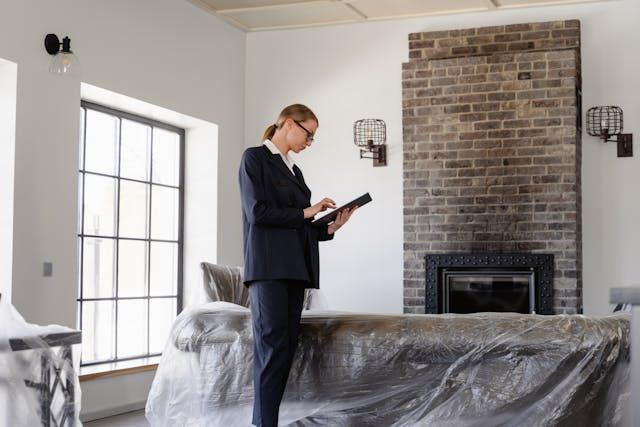
Check applicable local requirements rather than assuming a single inspection form satisfies every property. Save the completed records with the lease and move-in documentation.
Step 6: Maintain Compliance During the Tenancy
Respond to repair requests, keep payment records and follow the lease and law when arranging entry. Shared housing requires clear instructions so requests do not disappear between roommates.
- Log maintenance requests and completed repairs.
- Document notices and payment discussions.
- Protect applicants' and residents' personal information.
Understanding Landlord Compliance Costs
Budget for safety equipment, inspections, maintenance, documentation and turnover repairs. These costs can overlap when multiple leases end near a university term transition, so maintain a reserve for necessary work.
Get Professional Property Management Support
We coordinate leasing, rent collection, resident communication and maintenance for properties around Baylor. Owners still benefit from understanding their agreements and seeking legal advice when a notice or dispute raises questions.
Notices, Violations and Lease Transitions
Step 7: Follow Proper Notice Procedures
Renewal, entry, violation and termination notices are not interchangeable. When screening decisions involve consumer reports, federal adverse-action notice rules may also apply.
Check the purpose, timing and delivery method before sending a notice. A university calendar or planned turnover date does not override statutory requirements or the signed lease.
Step 8: Address Lease Violations Lawfully
Document the conduct, identify the relevant lease provision and determine which legal process applies. Complaints involving roommates should be recorded accurately without assuming that one resident speaks for everyone.

Do not change locks, interrupt utilities or remove possessions to force an occupant out. Evictions require the appropriate court process, and qualified counsel can advise on disputed cases.
Step 9: Manage Lease Renewals and Move-Out Procedures
Review renewal terms before the next leasing period and confirm whether residents intend to remain. At move-out, compare condition reports and separate normal wear from documented damage.
Account for deposits within applicable deadlines and retain invoices. When several residents share a lease, follow its terms and the law when communicating about balances or deductions.
How to Stay Organized With a Landlord Compliance Checklist
Keep one secure record for screening, signed leases, condition reports, repairs, rent and notices. Set reminders around each property's actual lease dates, not an assumed university-wide schedule.
Bottom Line
A step-by-step process makes Baylor-area student housing easier to oversee without treating compliance as a one-time event. At Campus Realtors, we help owners coordinate rental operations while legal questions remain matters for qualified advisers.
Frequently Asked Questions About Landlord Compliance
Does Student Housing Have Different Fair Housing Rules?
Off-campus rentals near Baylor University generally remain subject to applicable federal and state fair housing requirements. Marketing for student housing does not remove those duties.
Landlords should describe the property and its location without excluding applicants based on protected characteristics.
Keep screening criteria written and consistent, and evaluate requests for reasonable accommodations individually. If an owner has questions about occupancy rules or a particular application, a qualified housing attorney can explain the rules that apply to that property.
How Should Guarantors Be Handled on Shared Leases?
Guarantors may be relevant when an applicant lacks established income or rental history, but requirements should be documented and applied consistently.
The lease and guaranty should identify which obligations each signer accepts. Do not assume roommates share identical responsibilities under every lease form.
Campus Realtors uses joint and several leases for its shared rentals, which means each named tenant has responsibilities under the unit's lease. Owners using another arrangement should have the documents reviewed and explain payment expectations before occupancy.
What Records Matter Most When Student Tenants Move Out?
Begin with the signed lease, move-in condition report and dated photographs. Add repair requests, invoices, payment records and written communications about the property. During turnover, compare those materials with move-out photographs and note the reason for each proposed deduction.
For a shared rental, record who returned keys and how the property was left without making unsupported assumptions about responsibility. Store records securely and follow Texas requirements governing deposit accounting. Good documentation supports clearer explanations when residents question a charge.
Can a Landlord Issue a Notice When Roommates Disagree?
A disagreement among residents does not automatically establish a lease violation. Start with the conduct being reported, the written lease and any evidence available. Communicate accurately with the affected parties and avoid turning an informal complaint into an unsupported allegation.
If a violation is established, the next notice depends on its nature and the applicable legal requirements. Notice delivery and eviction procedures are separate matters. Because mistakes can affect enforcement, owners should obtain legal guidance when a dispute may lead to termination.
How Can Property Management Help With Compliance?
A property manager can organize applications, lease documents, maintenance coordination, resident communication and financial records. Those routines become particularly useful near Baylor when multiple move-ins or departures require attention during a limited period.
Campus Realtors provides leasing, rent collection and maintenance support for rentals surrounding the university. We can discuss what our management agreements include.
Owners should obtain qualified legal advice for complex notices, disputes and statutory questions. Management support is not a guarantee against legal or financial risk.