What Exactly is “Normal Wear and Tear”?
Key Takeaways
- Normal wear and tear is not the same as tenant-caused damage, and knowing the difference helps you make fair security deposit decisions.
- Most cosmetic aging is a landlord's responsibility, while excessive or negligent damage may justify deductions.
- Proper documentation and expert guidance can reduce disputes, protect your investment, and keep you compliant with landlord-tenant laws.
Have you ever stared at a scuffed floor or faded paint after a tenant moves out and wondered if you can legally deduct that from their security deposit? It is a frustrating gray area that almost every rental property owner faces. Distinguishing between actual property damage and simple daily use is rarely straightforward.
You want to protect your investment without crossing the line into unfair deductions that lead to costly disputes. Understanding this crucial distinction saves you time, money, and unnecessary stress. When you need expert guidance navigating these tricky situations, reach out to the dedicated team at
Campus Realtors for rental property owners.
Decoding Daily Degradation: What Legally Counts as Normal Wear and Tear
Understanding the exact differences between standard aging and actual damage protects your investment. Let us break down the eight specific elements that naturally occur in any rental property over time:
Fading Paint
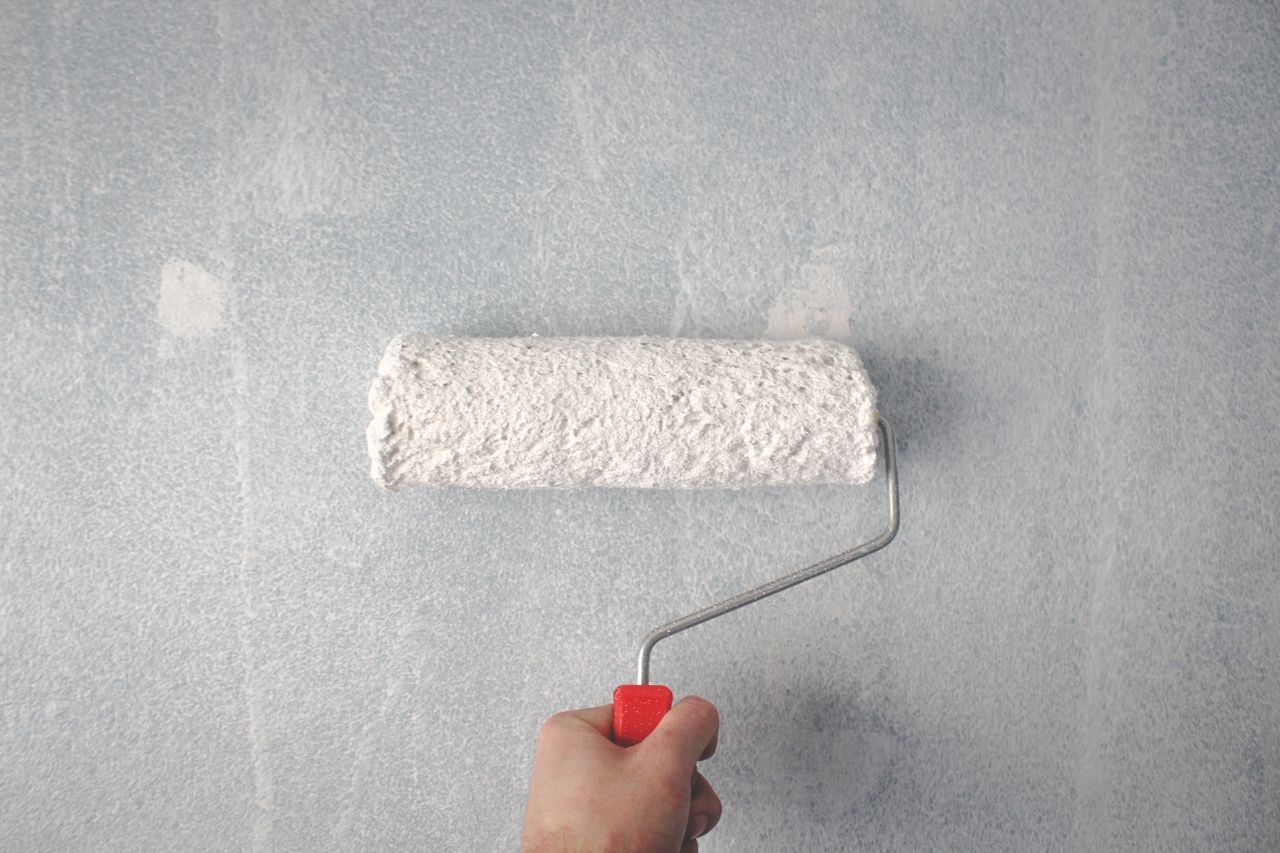
Fading paint occurs when walls naturally lose their vibrancy over time due to consistent sunlight exposure and routine cleaning. Understanding this distinction is incredibly important for landlords because it protects you from wrongfully withholding a tenant's security deposit. In your specific state, charging for aging paint can easily lead to baseless legal disputes.
This natural deterioration happens as ultraviolet rays from the sun slowly break down the paint's chemical composition. Daily living also plays a role, as gentle washing to remove dust gradually wears away the top layer of sheen. You will typically notice this subtle discoloration near windows or in high-traffic living areas.
Minor Carpet Wear
Minor carpet wear refers to the gradual flattening of fibers and the creation of light trails in high-traffic zones. Recognizing this is essential for landlords because it separates standard depreciation from actual destruction. Knowing the difference ensures you remain legally compliant while fairly evaluating the condition of your flooring after a tenant moves out.
This breakdown occurs simply from people walking across the same surfaces every single day. The constant friction slowly grinds down the carpet pile, causing the texture to thin and lose its original plushness. You will usually see these smooth, worn pathways forming in hallways, at doorways, or right in front of favorite seating areas.
Small Nail Holes
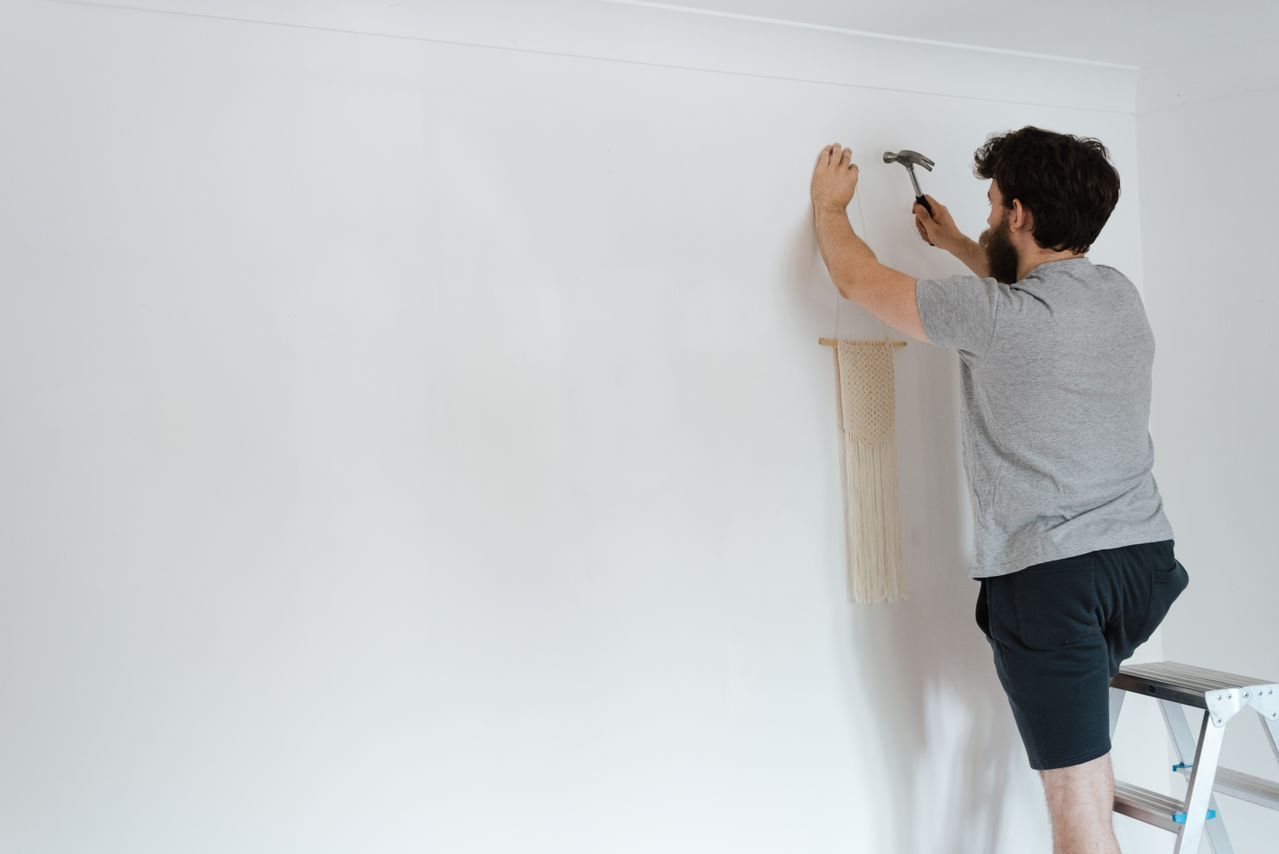
Small nail holes are the tiny punctures left behind after tenants hang pictures, mirrors, or seasonal decorations. Grasping this concept is highly important for landlords because it prevents unfair security deposit deductions for basic personalization. Courts across our local market consistently view these minor pinholes as an accepted part of normal residential living.
Tenants create these marks by pushing thin nails or small picture hooks directly into the drywall to display their belongings. The process takes seconds and only removes a microscopic amount of material. Unlike large screws or heavy wall anchors that cause structural damage, these tiny holes require nothing more than a quick dab of spackle to fix.
Loose Caulking or Grout
Loose caulking or grout involves the subtle shrinking or minor cracking found around sinks, tubs, and tile floors. Understanding this is vital for landlords because moisture environments naturally degrade these seals over time. Identifying this normal aging stops you from mistakenly charging a tenant for what is actually a standard maintenance requirement in your rental.
This deterioration happens as bathrooms and kitchens experience constant humidity, temperature fluctuations, and regular water exposure. The materials expand and contract repeatedly during daily showers or cooking, causing them to lose their adhesive grip. You will typically spot this separation where the tub meets the wall or along the edges of a
kitchen backsplash.
Worn Hardwood Floors
Worn hardwood floors manifest as minor scuffs, light scratches, and a general dulling of the finish. Recognizing this is crucial for landlords because it separates harmless daily use from severe negligence. In our local market, understanding this difference keeps your deposit deductions legally sound and maintains a positive relationship with your residents.
This gradual aging occurs simply from the friction of shoes, pet paws, and furniture being moved across the surface. Even routine cleaning with standard brooms or vacuums slowly micro-abrades the topcoat over the years. You will observe this gentle wear primarily in main living spaces, entryways, and underneath chairs where daily activity is highest.
Sticking Doors or Loose Hinges
Sticking doors or loose hinges refer to the minor shifting of frames and hardware that happens as a house settles. Identifying this is important for landlords because it prevents you from blaming tenants for structural movement. Knowing the facts protects you from wasting money on unnecessary repairs and renovations while ensuring you address actual damage correctly.
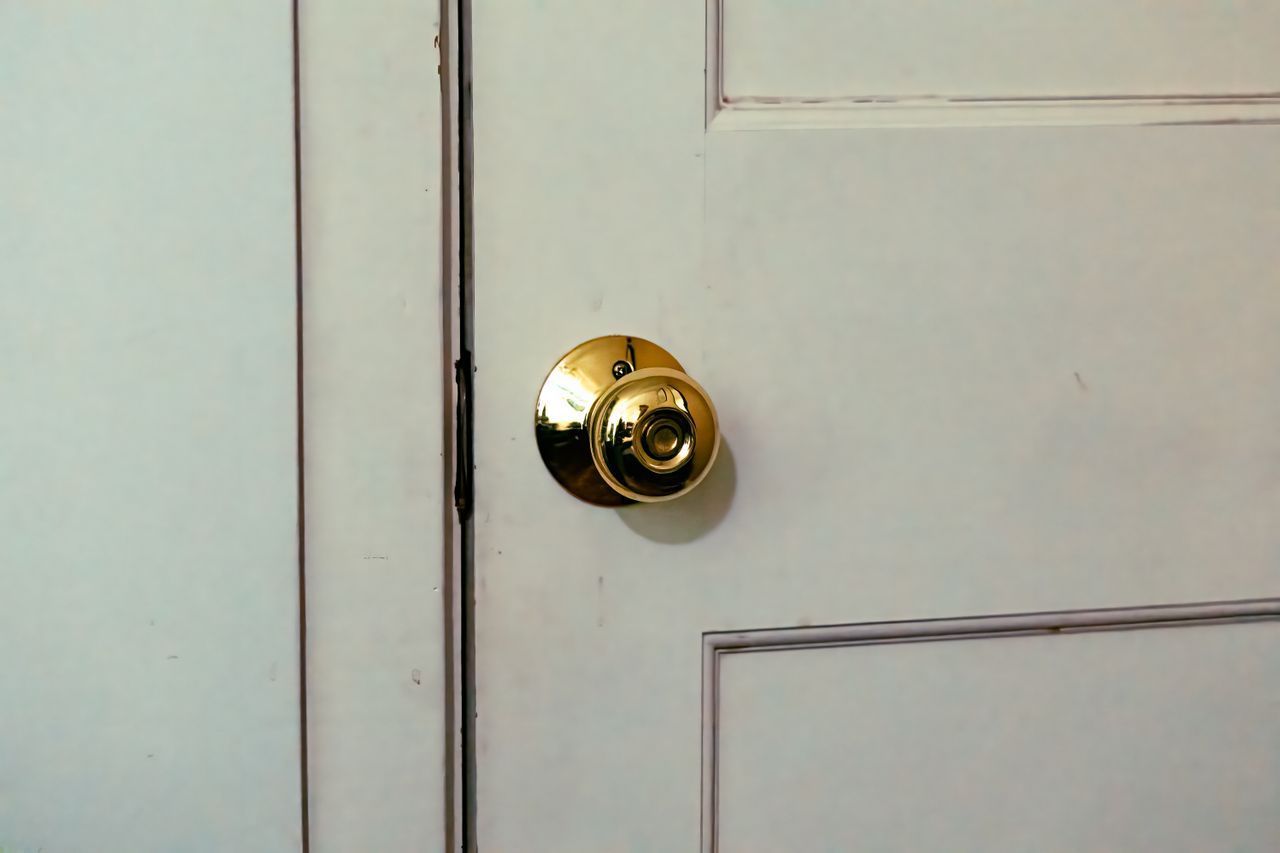
This mechanical issue develops naturally as the wood framing reacts to seasonal humidity and temperature changes throughout the year. The constant expansion and contraction slowly pull the door out of alignment, causing it to rub against the jamb. Hinges also naturally loosen over time from the repeated physical force of opening and closing the door daily.
Faded Window Coverings
Faded window coverings involve the yellowing of plastic blinds or the loss of color on fabric curtains due to sun exposure. Recognizing this is essential for landlords because ultraviolet damage is entirely out of a tenant's control. In your specific state, attempting to charge for this environmental fading would be considered an invalid deduction.
This degradation happens when powerful ultraviolet rays beam through the glass and constantly bombard the window treatments. Over a typical
lease term, these rays break down the dyes in fabric and the chemical composition in vinyl materials. You will clearly see this sun damage on the side of the blinds facing the exterior glass.
Minor Appliance Aging
Minor appliance aging includes worn refrigerator gaskets, lightly scratched stovetops, and discolored burner pans from regular cooking. Understanding this is important for landlords because appliances have a finite lifespan and naturally degrade with use. Being able to spot normal aging prevents you from unfairly penalizing tenants for simply using the provided kitchen equipment.
This wear occurs through the inevitable friction of placing pots on racks, the constant opening and closing of doors, and the heat of daily meal preparation. Rubber seals slowly lose their elasticity, and metal surfaces develop minor abrasions from routine cleaning. You will find these gentle blemishes on any appliance that has been actively utilized.
Bottom Line
Navigating security deposit deductions and property wear does not have to be a stressful guessing game. We at Campus Realtors for rental property owners understand exactly how to evaluate these tricky situations accurately.
Our dedicated team steps in to handle the detailed move-out inspections, ensuring you remain legally protected while keeping your residents happy. Every single property is unique, so reach out to our property management company today to discuss your options and discover what will be right for you.